KEY POINTS
- Afghan Transit Trade frozen, with losses exceeding $40 million in one week
- Hundreds of cargo trucks stranded; food and fuel shortages deepen in Afghan provinces
- Traders warn of long-term shift to Iranian routes if closures persist
- Islamabad, Kabul under pressure to resume APTTA routes as livelihoods collapse
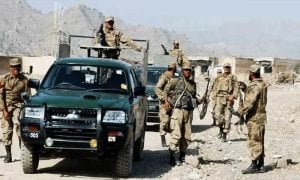
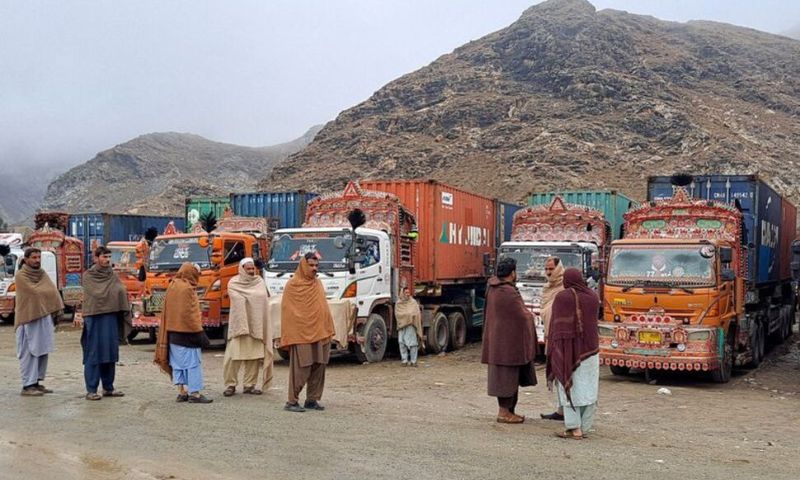
ISLAMABAD: Pakistan’s closure of all major border crossings with Afghanistan — including Torkham, Chaman, Ghulam Khan, Kharlachi, and Angoor Adda — has entered its second week, halting both bilateral and transit trade and leaving thousands of trucks stranded on both sides of the border.
Officials confirmed that the suspension, imposed after cross-border hostilities, has caused tens of millions of dollars in daily losses to regional trade, food supplies, and livelihoods — a blow that economists say could ripple across South and Central Asia.
“Every additional day of closure adds nearly four to six million dollars in direct trade losses and threatens perishable cargo worth millions more,” a senior Pakistan Customs official told The News on Sunday, requesting anonymity due to the sensitivity of the matter.
Extent of the Closures
| Border Crossing | Province / Region | Primary Function | Current Status | Daily Trade Volume (USD) | Key Impacted Goods |
| Torkham | Khyber Pakhtunkhwa | Bilateral + Transit Trade | Closed | $2.5–3 million | Food, textiles, industrial inputs |
| Chaman | Balochistan | Bilateral + Refugee Repatriation | Closed | $1.8–2 million | Fruits, vegetables, fuel |
| Ghulam Khan | North Waziristan | Transit Corridor to Kabul | Closed | $1 million | Construction materials |
| Kharlachi | Kurram | Secondary Trade Route | Closed | $0.5 million | Agricultural produce |
| Angoor Adda | South Waziristan | Limited Goods & Fuel | Closed | $0.3 million | Fuel, cement |
Source: Ministry of Commerce, All Pakistan Customs Agents Association (APCAA), provisional October 2025 data.
Economic Fallout
According to data compiled by the All Pakistan Customs Agents Association, cumulative trade disruption now exceeds $40 million, with 1,600 trucks and containers immobilised along the five crossings.
Afghan traders say the shutdowns have led to price spikes of up to 25% in food and fuel markets across Kandahar, Nangarhar, and Khost.
“Tomatoes and onions are rotting at the border while Kabul’s markets are running short,” said Haji Khan Agha, an importer from Kandahar. “Both sides are losing — but Afghanistan is bleeding faster.”
Meanwhile, Pakistani port authorities in Karachi confirmed that hundreds of Afghan consignments cleared under APTTA remain stuck at inland depots due to blocked routes.
Impact on Labour and Logistics
Local transporters, loaders, and daily wage earners across Chaman and Torkham have seen their income evaporate overnight.
“We handle about 150 trucks a day when the gate is open. Now even our tea stalls are empty,” Muhammad Rahim, a labour contractor at Chaman, told Geo News in a phone interview.
Trade associations warn of mounting demurrage charges and warehouse overflows, with shipping lines threatening to suspend Afghan-bound deliveries if the situation persists.
The All Pakistan Customs Agents Association’s Balochistan chapter president, Muhammad Jamil Kakar, told Dawn that cross-border logistics firms were “absorbing heavy demurrage costs” and that “border stability must be restored to save livelihoods.”
Trade associations warn of demurrage charges and warehouse overflows, with shipping lines threatening to suspend Afghan-bound deliveries if the situation persists.
Regional Economic Repercussions
Experts warn that prolonged instability could push Afghan importers toward Iranian and Central Asian corridors, which are longer and costlier, potentially reducing Pakistan’s annual $1.8 billion transit trade share.
“If these closures continue, Pakistan risks losing its logistics dominance in Afghan trade,” Dr Salman Shah, former Finance Adviser to the Government of Pakistan, told The Express Tribune. “That would hurt customs revenues and regional influence.”
Diplomatic Efforts Underway
The Islamabad Chamber of Commerce and Industry has urged both governments to prioritise reopening crossings “in the interest of mutual stability and livelihoods.”
Officials in Islamabad maintain that the borders will remain closed “until cross-border aggression ceases and security is restored.”
The Afghan Ministry of Commerce has called the closures “unjustified,” arguing that the restrictions violate the Afghanistan–Pakistan Transit Trade Agreement (APTTA) and disproportionately harm civilians and traders.
Outlook
Diplomatic sources suggest that limited humanitarian crossings could reopen temporarily for refugee repatriation and essential goods, but no timeline has been confirmed for the full resumption of trade.
Until that happens, border towns from Chaman to Torkham will remain silent — their usual roar of engines replaced by uncertainty and the growing weight of economic loss.