
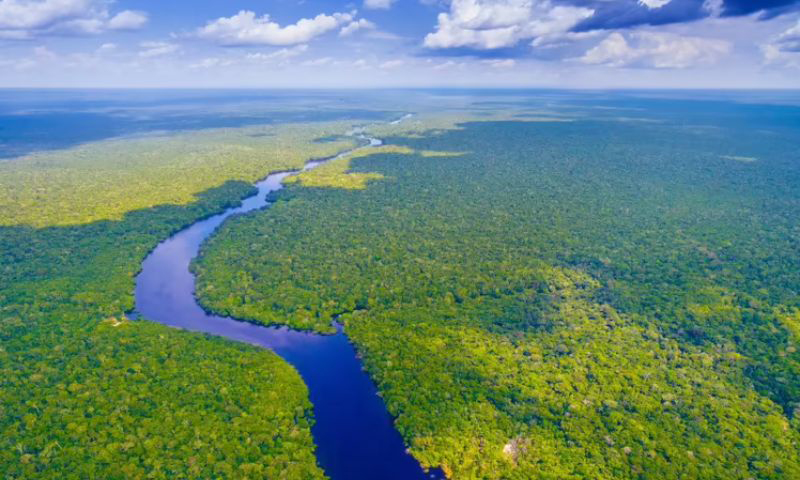



Rainforests are critical ecosystems that play a vital role in regulating the Earth’s climate, supporting biodiversity, and maintaining water cycles. The five largest rainforests span across continents and are home to countless plant and animal species, many of which are found nowhere else on Earth.
Protecting rainforests is essential to preserving biodiversity, combating climate change, and ensuring a healthy, sustainable future for our planet.
Often called the “lungs of the Earth,” rainforests absorb vast amounts of carbon dioxide and release oxygen through photosynthesis. This natural process helps balance atmospheric gases, combat climate change, and sustain life on the planet. Their ability to store carbon and regulate weather patterns makes them vital to Earth’s ecological health.
Amazon Rainforest (South America)
The Amazon is the largest rainforest in the world, covering approximately 5.5 million square kilometres. It spans across nine countries, with the majority located in Brazil. The Amazon is often referred to as the “lungs of the Earth” due to its vast capacity to produce oxygen and absorb carbon dioxide.
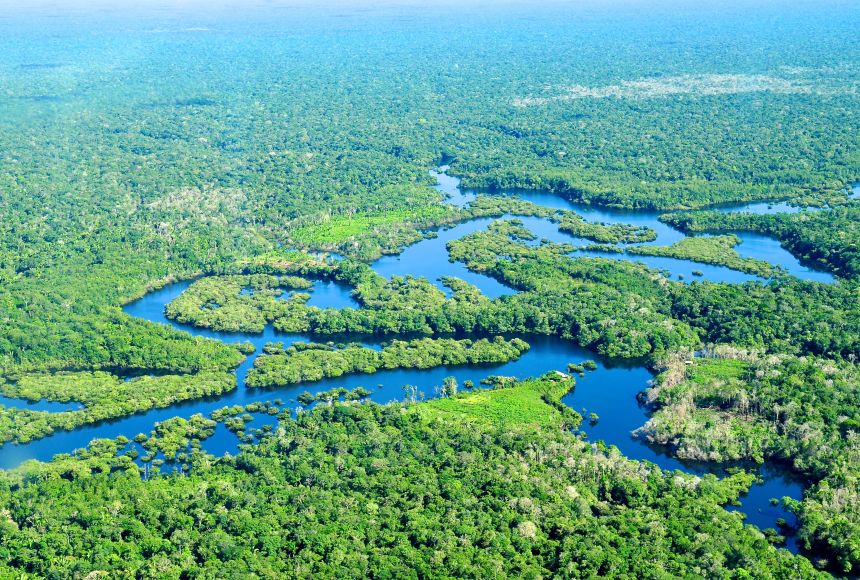
It harbours around 10 per cent of all known species, making it the most biodiverse forest on the planet.
Congo Rainforest (Central Africa)
The Congo Basin rainforest is the second largest, stretching over 1.8 million square kilometres across six countries, including the Democratic Republic of the Congo, Cameroon, and Gabon.
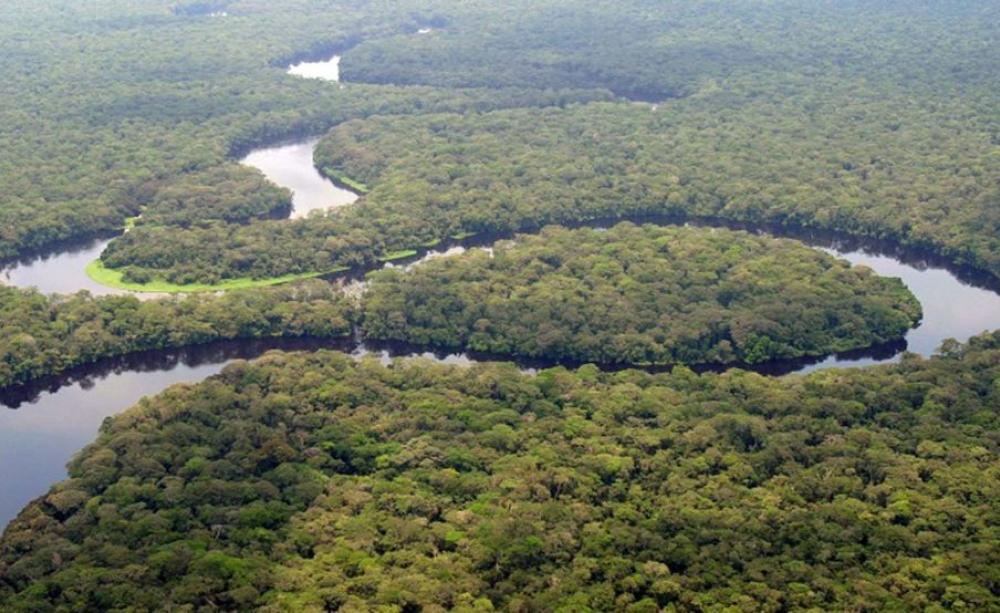
This rainforest is vital for its carbon storage capabilities and is home to species such as gorillas, forest elephants, and okapis.
New Guinea Rainforest (Oceania)
Covering roughly 288,000 square kilometres, the New Guinea rainforest is the third largest. It spans the island of New Guinea, which is divided between Papua New Guinea and Indonesia.
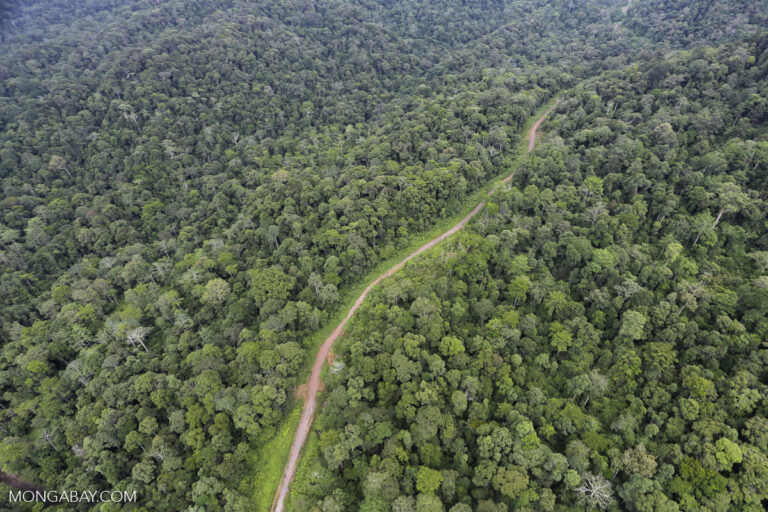
This forest is one of the most ecologically diverse areas in the world, home to unique bird species like the birds-of-paradise.
Valdivian Temperate Rainforest (South America)
Located along the southern coast of Chile and Argentina, the Valdivian rainforest covers about 248,100 square kilometres.
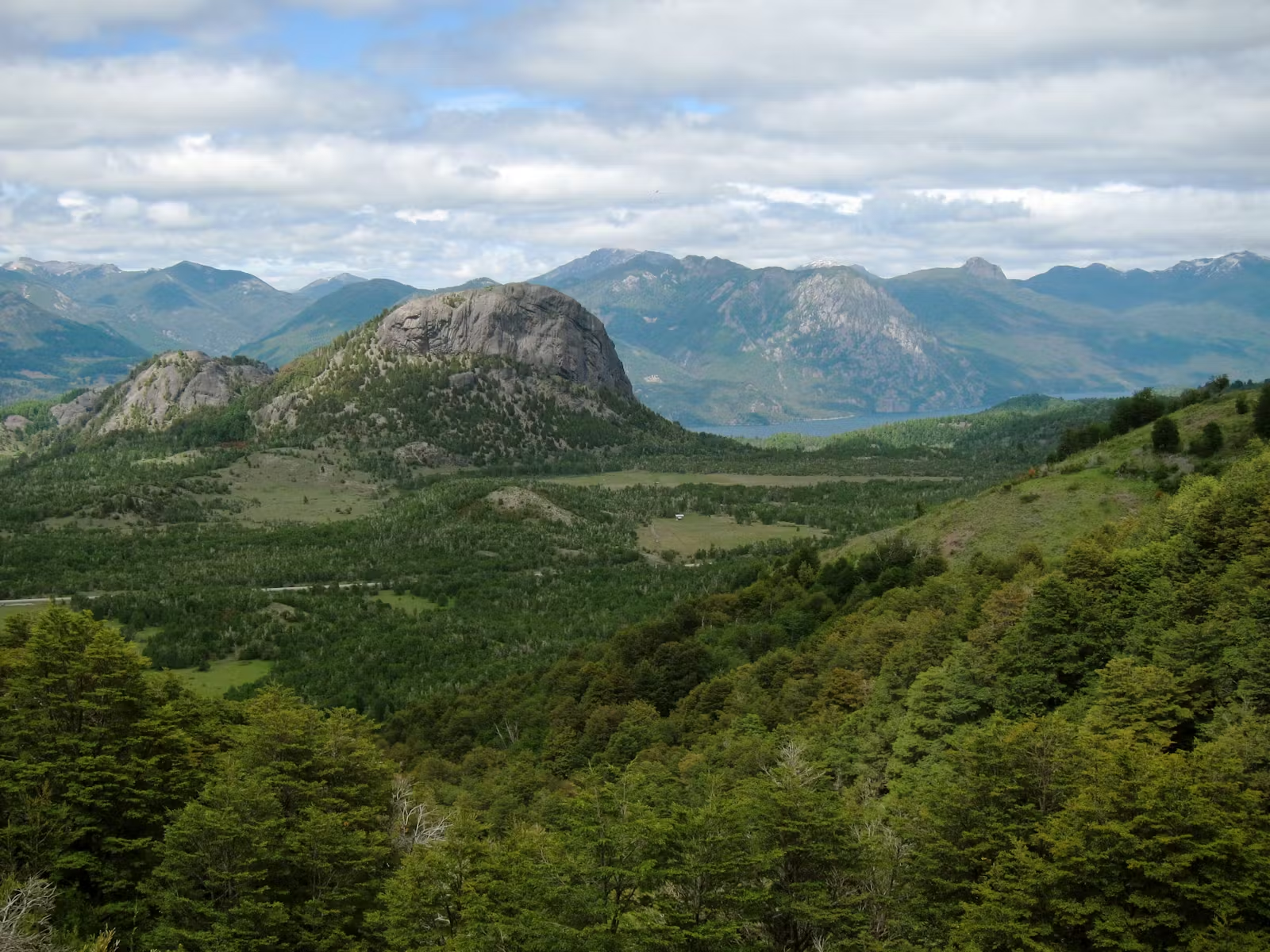
Unlike tropical rainforests, it is a temperate rainforest, known for its ancient tree species such as the Alerce and rich moss-covered forest floors.
Sundaland Rainforest (Southeast Asia)
This rainforest spans the Malay Peninsula and the islands of Borneo and Sumatra, covering around 200,000 square kilometres. The Sundaland rainforest is a biodiversity hotspot, sheltering endangered species like orangutans, tigers, and sun bears, but it faces severe threats from deforestation and palm oil plantations.
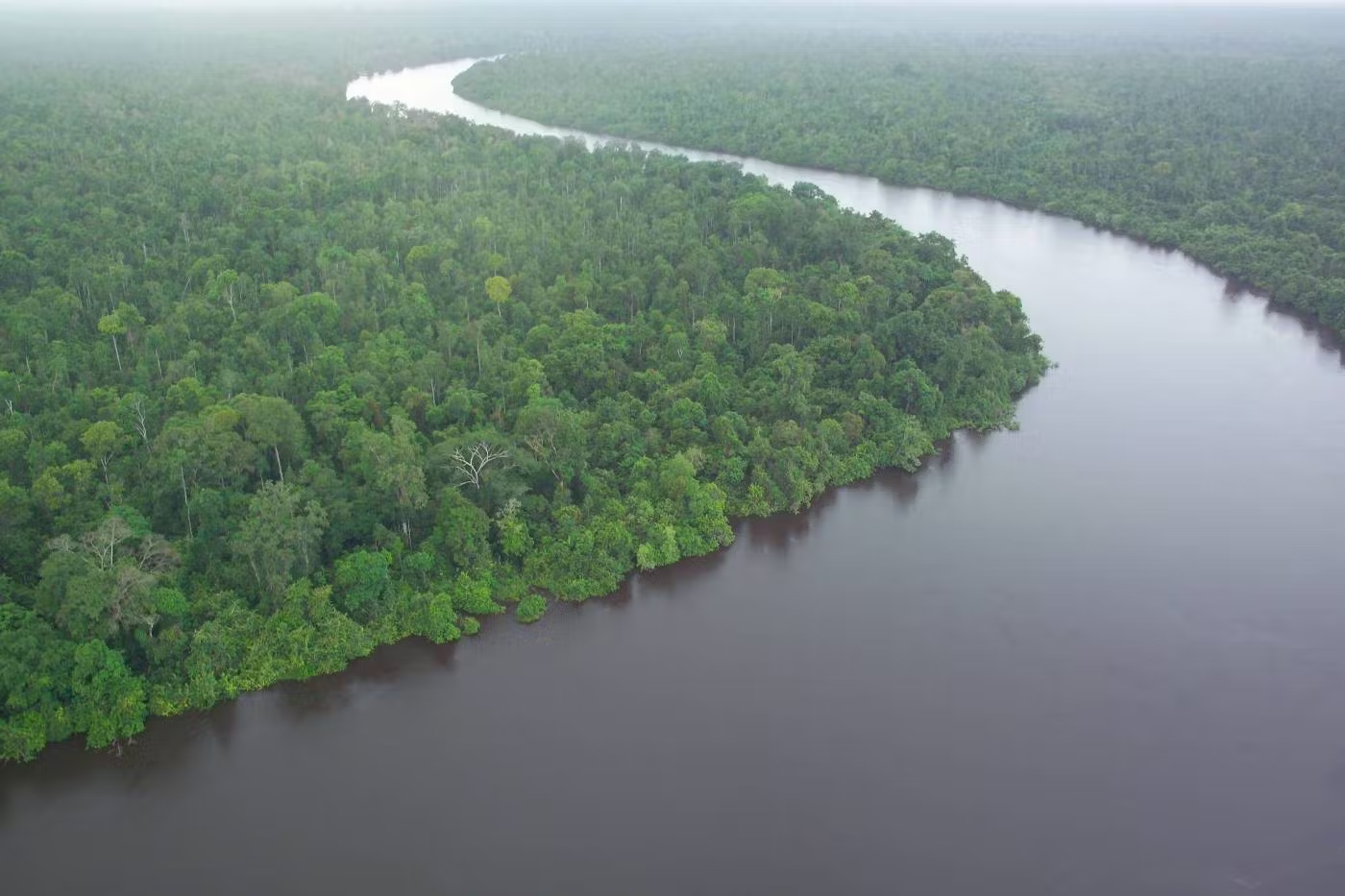
Protecting these rainforests is essential for maintaining global biodiversity and climate stability.