Key points
- UAE official warns of a “difficult aftermath” if the conflict is prolonged
- Says “de-escalation is extremely important”
- President Trump has given Iran a “maximum” of two weeks to negotiate
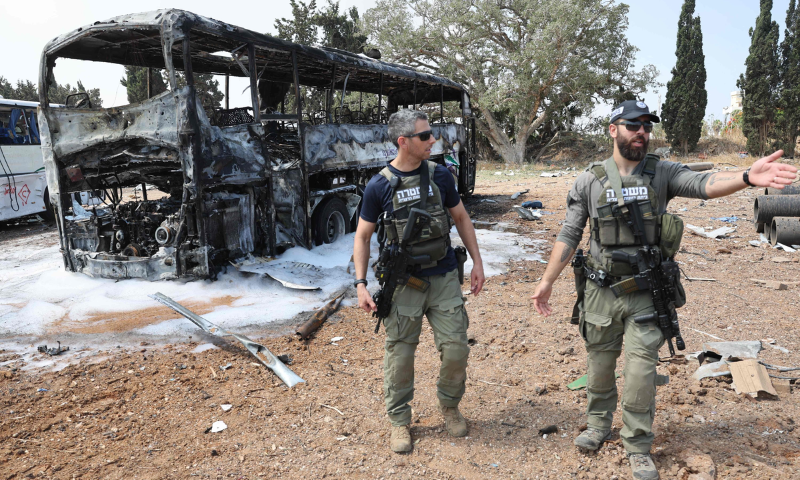
ISLAMABAD: A senior United Arab Emirates official has urged a quick end to the Iran-Israel war, warning of a “difficult aftermath” if the conflict is prolonged.
According to AFP, Anwar Gargash, diplomatic adviser to the oil-rich UAE’s President Sheikh Mohamed bin Zayed Al Nahyan, said the war was “setting back” the wealthy Gulf region.
“The longer a war takes, the more dangerous it becomes,” he told journalists in a briefing on Friday.
“I think any extended confrontation or war between Israel and Iran will only bring a very difficult aftermath.”
Two weeks to negotiate
US President Donald Trump has given Iran a “maximum” of two weeks to negotiate before possible US air strikes, but Tehran said it would not hold talks while under attack.
The Israeli attack on Iran & the ongoing war mark a pivotal moment with far-reaching consequences for both nations & the region. Reason & foresight demand an immediate end to hostilities & return to political dialogue, as history & past wars in the region clearly teach us.
— د. أنور قرقاش (@AnwarGargash) June 19, 2025
“De-escalation is extremely important,” Gargash said. “We still feel that there is a path back to negotiations on these issues.”
The Middle East is still dealing with the repercussions of the 2003 US-led invasion of Iraq, which toppled Saddam Hussein but left the country divided and destabilised.
Regional order
One major risk of the current war is disruption to the Strait of Hormuz between Iran and the Arabian Peninsula, which carries one-fifth of global oil output.
“This war flies in the face of the regional order the Gulf countries want to build, which is focused on regional prosperity,” Gargash said, the AFP reported.
“We feel that this is setting us back, not only us in the UAE, but I would say the region.”
Diplomatic approach
According to Arab News, earlier on Tuesday, the UAE’s minister of foreign affairs, Sheikh Abdullah bin Zayed Al-Nahyan, warned of the wider threat posed by the continuing conflict and called for an immediate ceasefire.
“There is no alternative to political and diplomatic solutions,” he said, calling on the UN and its Security Council to intervene and halt the escalating violence.
He also highlighted “the risks of reckless and miscalculated actions that could extend beyond the borders” of Israel and Iran, the Emirates News Agency reported.
The UAE believes “a diplomatic approach is urgently required to lead both parties toward de-escalation, end hostilities, and prevent the situation from spiralling into grave and far-reaching consequences,” he added.