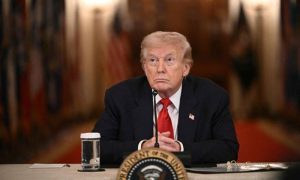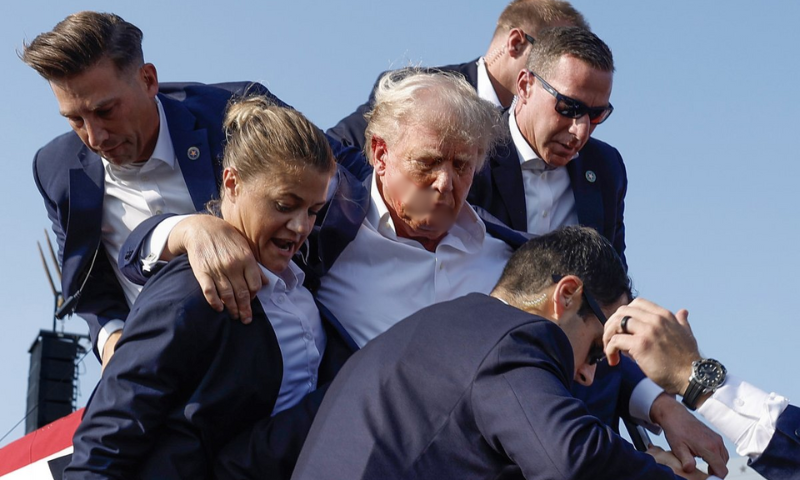



BEIJING, China: The recent attempted assassination of Donald Trump during a campaign rally in Pennsylvania has stirred significant reactions both within the United States and internationally. Hu Xijin, a prominent Chinese media figure, speculated that the incident could bolster Trump’s electoral prospects, drawing parallels to past instances where such events enhanced public sympathy and support for political figures.
Hu Xijin’s commentary on Chinese social media platform Weibo highlighted the potential sympathy points Trump could gain from surviving the attack, suggesting that it could bring him closer to a return to the White House.
This viewpoint reflects broader discussions in global media about the incident’s implications for US politics, with some drawing comparisons to the aftermath of the assassination attempt on President Ronald Reagan in 1981.
The shooting has not only dominated headlines but has also sparked discussions about the future trajectory of US-China relations. While some observers in China expressed concerns about Trump’s return to power and the potential for renewed trade tensions and protectionist policies, others noted the continuity in US policies under President Joe Biden, particularly regarding tariffs and strategic competition.
Moreover, the incident has underscored the enduring impact of US domestic politics on its international relationships. During Trump’s presidency, US-China relations experienced significant strain, marked by trade disputes, human rights controversies, and geopolitical tensions. Biden’s administration has maintained several of these policies, indicating a degree of continuity in US foreign policy despite the change in leadership.
Overall, the shooting incident involving Trump has become a focal point for global media and public discourse, shaping perceptions of US political dynamics and their implications for international relations, including US-China ties. As the incident continues to unfold politically and socially, it remains to be seen how it will influence the upcoming US elections and broader geopolitical dynamics in the months ahead.