


Key Points
- Tehran says any US military strike would trigger retaliatory action against American bases and assets in the region
- Warning conveyed in a formal letter to the United Nations
- Iran accuses Washington of escalating rhetoric and military pressure
- Tensions rise amid stalled nuclear diplomacy and regional deployments
ISLAMABAD: Iran has warned that all United States military bases, facilities and assets in the region would be considered “legitimate targets” if the United States launches an attack, escalating already fraught tensions between the two adversaries.
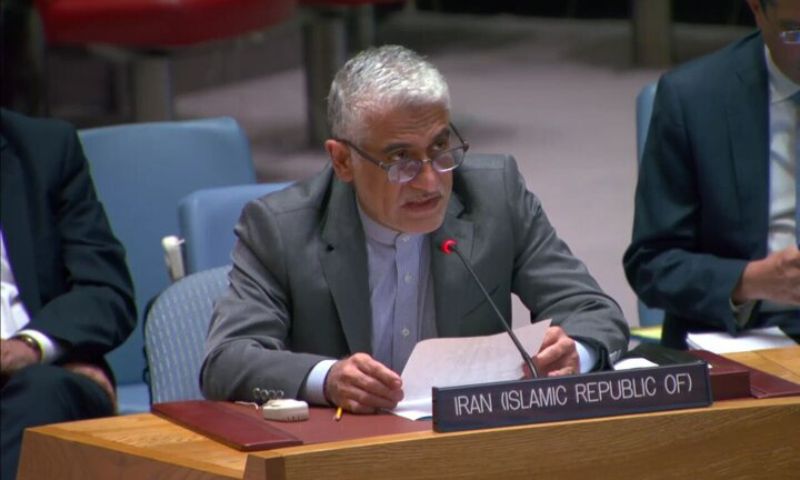
In a letter addressed to UN Secretary-General Antonio Guterres and the president of the UN Security Council, Iran’s ambassador said recent statements by US officials amount to threats of force in violation of international law. The letter stressed that Tehran does not seek war but would respond decisively to any act of aggression.
The warning follows remarks attributed to US President Donald Trump suggesting that military options remain under consideration if diplomacy fails. Iranian officials described such rhetoric as destabilising and said Washington would bear “full and direct responsibility” for the consequences of any confrontation.
Broader regional strain
The exchange comes against the backdrop of renewed strain over Iran’s nuclear programme. Efforts to revive or renegotiate nuclear understandings have faced repeated setbacks, with both sides accusing each other of bad faith. Tehran insists its programme is peaceful and within its sovereign rights, whereas Washington argues that Iran’s enrichment activities have moved beyond civilian requirements.
In recent weeks, reports of additional US naval and air deployments in parts of the Middle East have added to the sense of volatility. Regional capitals are watching developments closely, concerned that a miscalculation could spill over into wider conflict involving proxy forces and allied states.
Diplomatic channels remain open
Despite the sharp language, Iranian officials maintain that diplomatic channels remain open. The letter to the United Nations underlined Tehran’s stated preference for negotiations based on mutual respect and the lifting of sanctions. It also warned, however, that deterrence remains central to Iran’s defence doctrine.
Analysts say the exchange reflects a familiar cycle in US-Iran relations: heightened rhetoric, signalling of military preparedness, and parallel diplomatic manoeuvring. The coming weeks are likely to test whether the latest round of threats leads to renewed talks or further escalation in a region already burdened by multiple flashpoints.