


ISLAMABAD: Pakistan on Friday rejected allegations from Afghan media that Pakistani visas are being sold in Kabul on the black market for between $1,000 and $1,500, far above the official fee of $25.
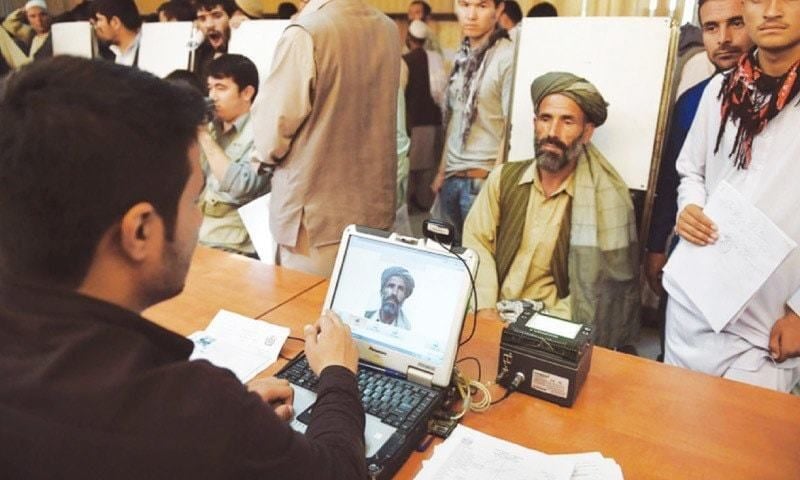
Government officials in Islamabad said Pakistan’s visa issuance system is fully digital, biometric-linked, and centrally managed, ensuring transparent and traceable processing.
“Online applications and electronic recordkeeping eliminate discretionary handling and informal processing channels,” a Pakistani government official said.
“Documented fee submission through official platforms prevents unauthorised cash transactions,” the official said.
The government officials added that automated security screening, database integration, and layered verification mechanisms ensure audit-compliant approvals and prevent identity manipulation or unauthorised processing.
“Any overcharging or misconduct by private intermediaries, if verified, will be investigated and addressed under relevant legal frameworks,” a government official said.
The allegations were reported by Afghanistan International, which claimed that visas were being sold in Kabul for $1,000 to $1,500. The official visa fee for Pakistan is around $25.
Humanitarian support for Afghans
Pakistan continues to provide health services and humanitarian support to Afghans, officials said.
Thousands of Afghan patients receive medical care in Pakistan’s public and private hospitals.
Pakistan also operates specialised health projects for refugees and trains Afghan health workers to build local capacity.
Afghanistan’s healthcare system is under severe strain under the Taliban regime.
According to the UN, the country’s 2025 aid plan, valued at $2.4 billion, has received only 12% of the required funding.
Aid agencies warn that food, health, and shelter support is being cut, putting millions at risk.
UNHCR has highlighted the growing protection risks faced by Afghans, particularly women and girls.
“Afghanistan is facing a deepening humanitarian crisis fuelled by a deteriorating human rights situation, prolonged economic hardship, recurring natural disasters and limited access to critical services,” the agency said in a statement.
In 2025, more than 200 health facilities in Afghanistan had closed or suspended services due to a lack of funds, according to the World Health Organization (WHO).
Dr Edwin Ceniza Salvador, WHO’s Afghanistan representative, warned that up to 80% of supported health services could shut down without immediate funding.